

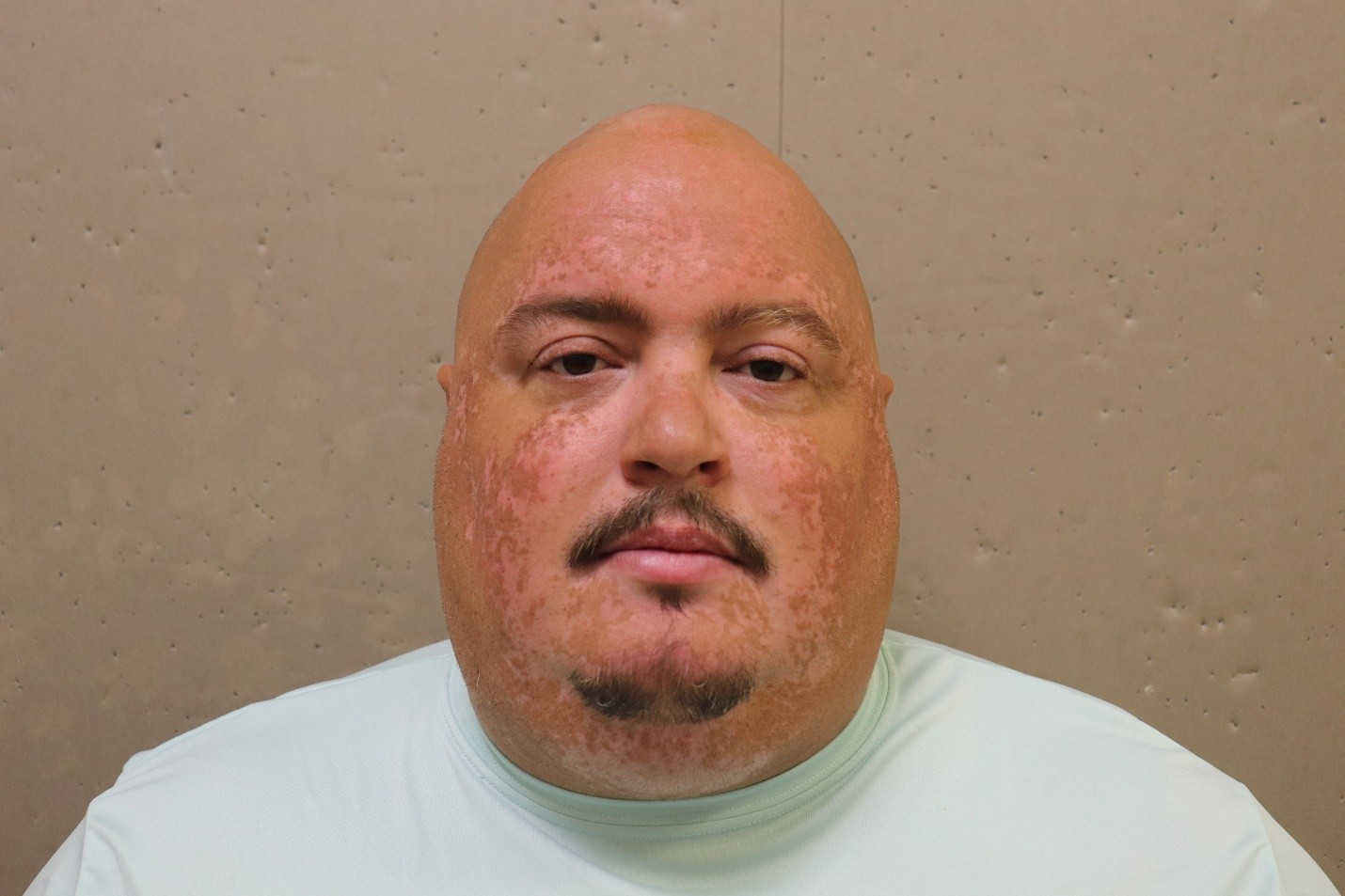
Mugshot of Brett Matthew McClafferty. Photo Credit: THE VIRGIN ISLANDS POLICE DEPARTMENT.
Matthew McClafferty, co-owner of popular restaurant St. Thomas Social, is facing an additional legal challenge amidst criminal charges of grand larceny, fraud, and passing worthless checks. Following his arrest, McClafferty appeared before Magistrate Julie Smith Todman for his first court appearance. After finding probable cause to uphold the charges against him, the judge issued an order which detailed the conditions guiding his release from pre-trial detention. Prosecutors have now accused McClafferty of flouting the prohibition against posting about the case on social media. They now want him to show cause why his actions after being released on bail are not violations of his pre-trial release order.

Pre-trial release orders, which often contain personally identifying information, are usually sealed from public view on the court’s online docket. The order issued to Clafferty by Judge Todman on February 23 included the instruction that he was “prohibited from making any social media posts regarding this incident,” along with the usual bans on consuming alcohol and directives to surrender his driver’s license and travel documents.
In their motion to show cause, which was accompanied by a 14-page bundle of exhibits consisting of screenshots of social media posts, prosecutors argue that McClafferty and his associates promptly broke the prohibition against social media posts. They point specifically to a February 27 Facebook post from the McClafferty Family Foundation, which on its website lists McClafferty as its Managing Director. A post by St. Thomas Social on March 4 about a civil suit filed by McClafferty against Banco Popular was also deemed to have violated the judge’s order, as does a post to McClafferty’s personal Facebook story on the same day, prosecutors say. A further violation of the pre-trial release order was made on March 9, when McClafferty posted a video to a public Facebook group announcing his candidacy for the upcoming legislative elections.
According to the prosecutors’ motion, McClafferty’s civil lawsuit against Banco Popular, as well as the social media posts containing links to the complaint, “are just another way of circumventing this Court’s order barring social media postings.” These posts, the government argues, “are a transparent way to defend his criminal case in the media by posting false allegations, thereby tainting a prospective jury pool and skirting the prohibitions in this court.”
Prosecutors argue that there is enough evidence that McClafferty “will attempt to influence his criminal case outside of the court through his run for office and his legal proceedings” and are asking the court to consider “remedies” for the previous alleged violations of McClafferty’s release order, and to consider modification of his bail conditions to ensure that prohibitions against his public discussion of the criminal case can be enforced.
Not mentioned in the prosecutor’s motion is McClafferty’s attempts to prevent certain discussion about his criminal case in the public domain. Independent journalist Brian Louden initially reported that McClafferty had appeared to violate the stipulations of his pre-trial release order. Following his Facebook posts on the apparent violations, the Consortium understands that McClafferty emailed Mr. Louden with what he termed a “cease and desist” order. The email, which was seen by Consortium journalists, appeared to come from McClafferty himself, not from any attorney. As prosecutors argue he did online, McClafferty appeared to misrepresent the judge’s orders to Mr. Louden, referring to the memorandum of proceeding emanating from the proceedings on February 23 – which did not contain the prohibition against social media posting – rather than the more complete pre-trial release order, which did.

McClafferty has in the past contacted Consortium reporters personally to refute or explain allegations against him in several civil lawsuits reported by the publication. In this instance, prosecutors are now asking the court to examine whether his social media activity violated the conditions of his pre-trial release.


Advertisements