

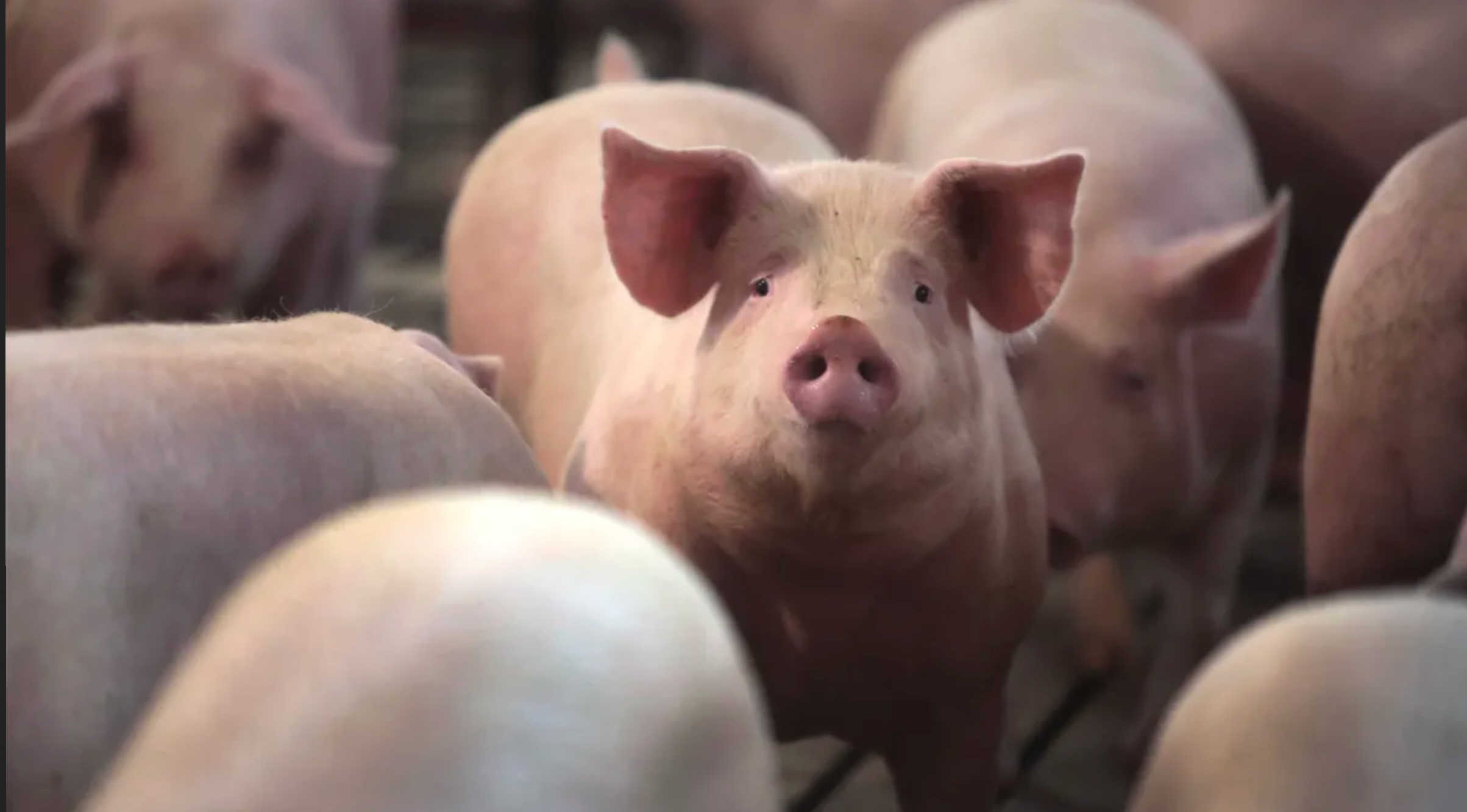
With the impending Spring Break travel season upon us, the U.S. Department of Agriculture has renewed its warning to travelers to refrain from actions which may present a risk of transmitting African Swine Fever across American borders.

“The U.S. is still free of the disease,” said Dr. Sarai Rivera-Garcia, Veterinary Medical Officer with USDA’s Animal and Plant Health Inspection Service. The agency, she says, wants to keep it that way.
In December, USDA officials alerted travelers to and from U.S. territories including the Virgin Islands and Puerto Rico that bringing pork products back to the mainland was prohibited as part of precautions against ASF. That ban continues, said Dr. Rivera-Garcia, as does the precaution against visiting pig farms or pork production facilities.
The territories themselves have shown no evidence of ASF within their borders, Dr. Rivera-Garcia disclosed. However, “the U.S. territories are still within a foreign animal disease protection zone,” she explained. “We are still monitoring the disease. We are still putting the word out there and educating the people on what the virus is and how do we prevent it from coming into the U.S. Virgin Islands, Puerto Rico, the U.S. mainland, because the risk is still there.”
ASF has been confirmed in countries including the Dominican Republic and Haiti, however, so federal officials are coordinating with local authorities to ensure that the movement of people from these countries into the territories does not also transmit the ASF virus across borders. A testing regimen on animals continues, Dr. Rivera-Garcia explained, as does a concurrent public education campaign.
“If you go somewhere where there could be confirmed cases, or it could just be a potentiality, when you travel back to any U.S. territory or to the U.S. mainland, please make sure to clean, disinfect, or dispose of your shoes, your clothing – if you have been exposed to pigs, or if you have been in farms where there could have been pigs,” Dr. Rivera-Garcia advised. She also repeated the warning against bringing pork products “from an international destination into the U.S.: "absolutely not.” Bringing pork products from a protection zone such as the USVI into the mainland is also prohibited, she reminded.
An important consideration for travelers, Dr. Rivera-Garcia noted, is to be truthful with Customs and Border Protection officials about where they have been while out of the country. “You should tell them if you’ve been to a farm, if you’ve been exposed to pigs, and you should definitely tell them if you are bringing any food items.”

African Swine Fever is caused by a virus that, while posing no threat to human health, leads to high rates of illness and death among domestic pigs. It was detected in the Dominican Republic in 2021, prompting measures by USDA officials to prevent the spread into the U.S market.


Advertisements