
The V.I. Department of Health’s Epidemiology Division says 2025 brought the territory’s highest influenza case count in the past five years, a hand, foot, and mouth disease outbreak that spread across schools and day cares, continued dengue and COVID-19 surveillance, expanded lead and legionella investigations, and a major upgrade to the territory’s disease-tracking system.

The annual report also details new reporting requirements for several health conditions, the launch of an online food and water illness complaint portal, and growing use of wastewater monitoring to track both respiratory disease and substance-use trends.
In its summary of nationally notifiable diseases handled by the Epidemiology Division in 2025, the report lists 378 laboratory-confirmed influenza cases, 140 confirmed COVID-19 cases, 47 confirmed dengue cases, 9 confirmed and 3 probable cases of elevated lead in blood, 4 confirmed and 1 probable case of legionellosis, 3 confirmed cases each of campylobacteriosis and giardiasis, 7 confirmed cases of salmonellosis, 1 confirmed case each of shigellosis and vibriosis, 3 probable cases of varicella, 2 probable acute hepatitis B cases, 9 confirmed or probable chronic hepatitis B cases, 2 confirmed acute hepatitis C cases, 8 confirmed chronic or resolved hepatitis C cases, and 1 confirmed Lyme disease case tied to off-island exposure. The report excludes cases under the Communicable Diseases Division for sexually transmitted infections, HIV, and tuberculosis or latent tuberculosis infection.
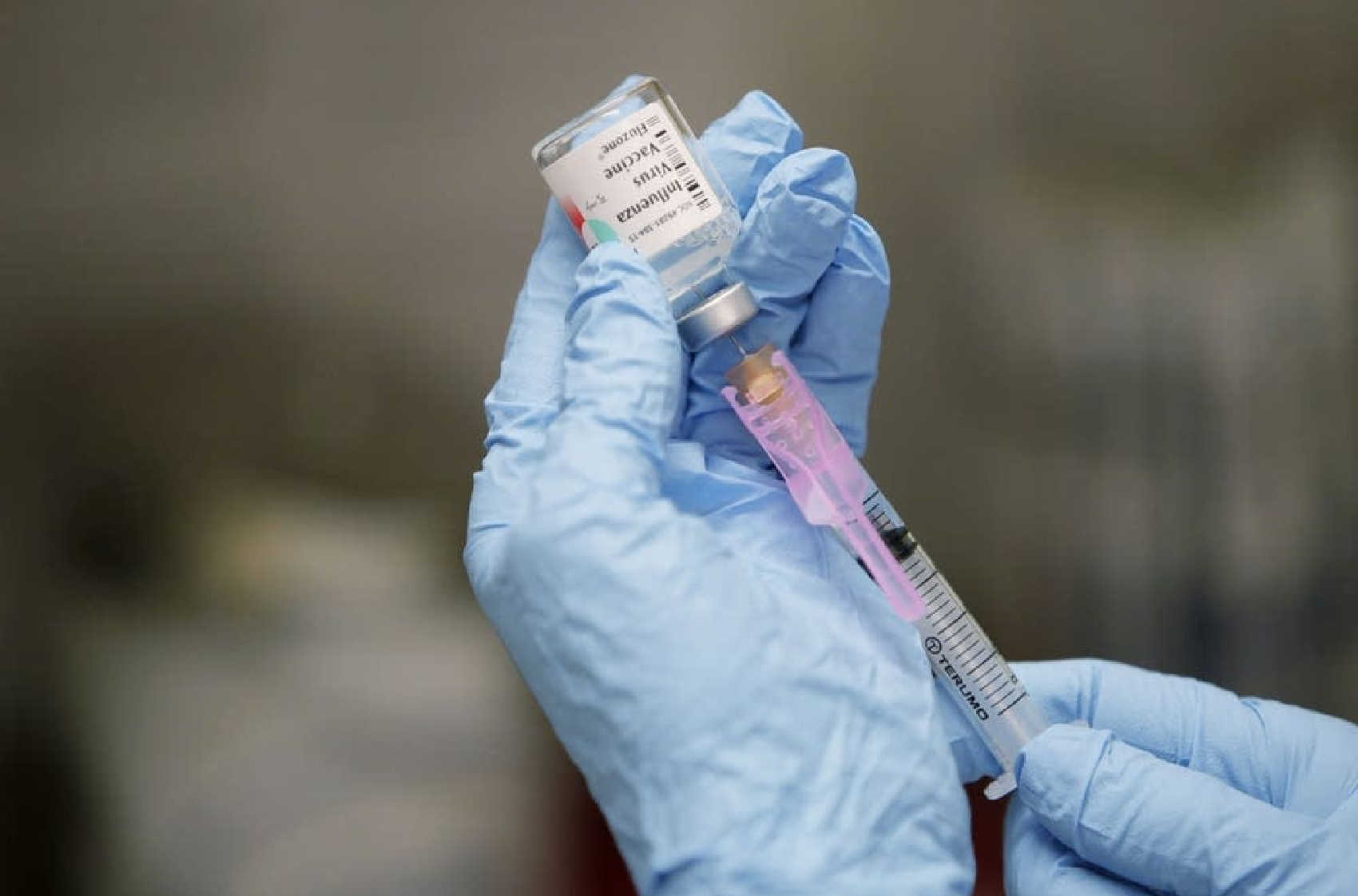
Respiratory disease surveillance remained a central part of the division’s work. The report says influenza-like illness surveillance identified 766 visits among 47,869 total outpatient visits, or 1.6 percent of all visits. Of the 378 confirmed influenza cases, 68 were reported on St. Croix, 296 on St. Thomas, and 14 on St. John. The report says that was the highest influenza case count recorded in the past five years. COVID-19 surveillance recorded 140 cases in 2025, with zero COVID-19-related fatalities reported.
The report also details a territory-wide outbreak of hand, foot, and mouth disease between February and April 2025. According to the report, 247 cases were identified, including 243 on St. Thomas and four on St. Croix, all reported at day cares and schools. The report describes HFMD as a common illness in children under five that can spread quickly in schools and child care centers. Symptoms are often mild and can include fever, sore throat, mouth sores, and rash on the hands and feet. To help contain the outbreak, the Epidemiology Division conducted phone consultations and in-person visits for direct observation and infection-control training at affected schools and day cares, while recommending stronger hand hygiene and environmental cleaning measures.
Dengue remained under close watch following the territory’s 2024 outbreak. The report states that there were no active cases of Zika, chikungunya, or yellow fever in the territory in 2025, and that dengue trends steadily declined after the 2024 outbreak. Even so, the territory still recorded 47 confirmed dengue cases in 2025.
Lead exposure surveillance was expanded in 2025, with “Lead in Blood” officially added as a Category A notifiable condition requiring immediate reporting of elevated blood lead levels. The report documents nine confirmed, three probable, and three suspect cases of elevated blood lead. Of the nine confirmed cases, six were on St. Croix and three were on St. Thomas. Four involved adults and five involved children ages 1 to 4. Home assessments identified possible exposure sources including walls with chipping paint, ceramic or porcelain tiles, cooking pots, ceramic kitchenware such as plates, and certain higher-risk businesses, including indoor shooting ranges. The report says the Epidemiology Division continues to monitor possible lead exposure across the territory, conduct home assessments, and provide guidance and support to affected families.
Legionellosis investigations also continued throughout the year. The report says the division investigated 10 suspected cases in 2025, identifying four as confirmed and one as probable. It describes legionellosis as a bacterial infection caused by inhaling water droplets or mist containing Legionella pneumophila. Common sources in the Virgin Islands, according to the report, include household cisterns, inadequately disinfected plumbing systems, malfunctioning hot water heaters, sink faucets, and showerheads. Investigators identified Legionella growth in cisterns, underground wells, hot water heaters, sink faucets, and showerheads. When the bacteria are detected, the department provides remediation guidance that may include replacing broken hot water heaters, replacing sinks or faucets, disinfecting cisterns, installing water filtration, and hyperchlorinating water systems when possible.
In vaccine-preventable disease surveillance, the report says the department documented three probable cases of varicella in 2025. It also investigated three suspected measles cases and one report of meningococcal disease, but those were not epidemiologically confirmed.
The report also summarizes foodborne and waterborne illness findings. During 2025, the Epidemiology Division identified three confirmed cases of campylobacteriosis, three confirmed cases of giardiasis, seven confirmed cases of salmonellosis, one confirmed case of shigellosis, and one confirmed case of vibriosis. In December 2025, the division launched a public-facing online Food & Waterborne Illness Complaint Form to make it easier for residents to report suspected foodborne or waterborne illness, sanitation concerns, and unsafe food handling practices. Complaints can also be made through the USVI Food Safety Hotline. The report says the Epidemiology Division works with the Environmental Health Division to investigate complaints that may be linked to illness outbreaks, including through epidemiological investigations, health inspections, and environmental assessments.
The report highlights a major modernization effort in disease surveillance. The Epidemiology Division said it identified a critical need in January 2024 to preserve its cloud-hosted National Electronic Disease Surveillance System Base System. After consulting with federal partners and subject matter experts, the department migrated the system to a new platform hosted on Amazon Web Services and upgraded to NBS 7. The new system went live on May 6, 2025, making the Virgin Islands the second U.S. jurisdiction using NBS 7 in production and the first to implement NBS 7 on AWS. The report says the shift produced cost savings, added bandwidth, real-time data ingestion and updates, greater autonomy over data and endpoints, improved interoperability, and more local informatics capacity. By the end of 2025, 103 of 110 previously connected reporting facilities, or 93.6 percent, had been re-onboarded, and one new reporting laboratory had also been added.
Wastewater surveillance also expanded as a public health tool. Working with the Virgin Islands Waste Management Authority, the department collected weekly wastewater samples from five sites across St. Croix, St. Thomas, and St. John for respiratory disease and substance surveillance. According to the report, 204 samples tested from October 2023 through December 2024 detected cocaine, benzoylecgonine, and a nicotine metabolite in almost every sample. Fentanyl and norfentanyl were detected less frequently, and xylazine biomarkers were not detected during the study period. In a separate respiratory analysis, the report found moderate correlations between wastewater SARS-CoV-2 concentrations and reported COVID-19 cases at the territory level, with statistically significant moderate to strong correlations on St. Croix and St. Thomas, but not on St. John. Lead-time analysis suggested increases in wastewater SARS-CoV-2 RNA appeared one to eight days before reported COVID-19 case surges across the islands, with the strongest lead times observed on St. Croix and St. Thomas.
The report also notes that disease reporting by health care providers is required by law in the Virgin Islands. It says outbreaks, exotic diseases, unusual group expressions of disease, and other public health emergencies must be reported immediately, while other conditions must be reported within two or four working days depending on category. In 2025, the territory’s list of notifiable conditions was revised. Additions under Category A, which are immediately reportable, included Candida auris infection, elevated lead in blood, RSV-associated mortality, and typhus infection. Additions under Category C, which are reportable within four working days, included COVID-19 and maternal death as defined by the CDC.
The annual report also provides demographic context for public health planning. Using 2020 census data, it says the territory’s population fell by 19,259 residents, or 18.1 percent, from 2010 to 87,146. St. Croix declined by 19 percent, St. Thomas by 18.2 percent, and St. John by 6.9 percent. The report says 24.6 percent of residents were uninsured in 2020, nearly three times the national estimate. It also notes that the median household income in 2019 was $40,408, below both the U.S. median and the territory’s own 2009 figure, and that about one-third of the population is foreign-born.
Beyond surveillance and case tracking, the report points to workforce and systems development efforts, including the territory’s participation in the Council of State and Territorial Epidemiologists Data Science Team Training Program, a CDC Foundation site visit tied to workforce acceleration, and updates to the public epidemiology dashboard launched in 2024. The report says the dashboard was enhanced with customizable filters, recent 12-month trend visuals, time-series charts, geospatial case data, and embedded public health forms and guidance. It also lists scientific presentations made during 2025 on topics including the 2024 dengue outbreak, Legionnaires’ disease linked to two resorts, wastewater surveillance, and the new disease surveillance platform.



Advertisements