
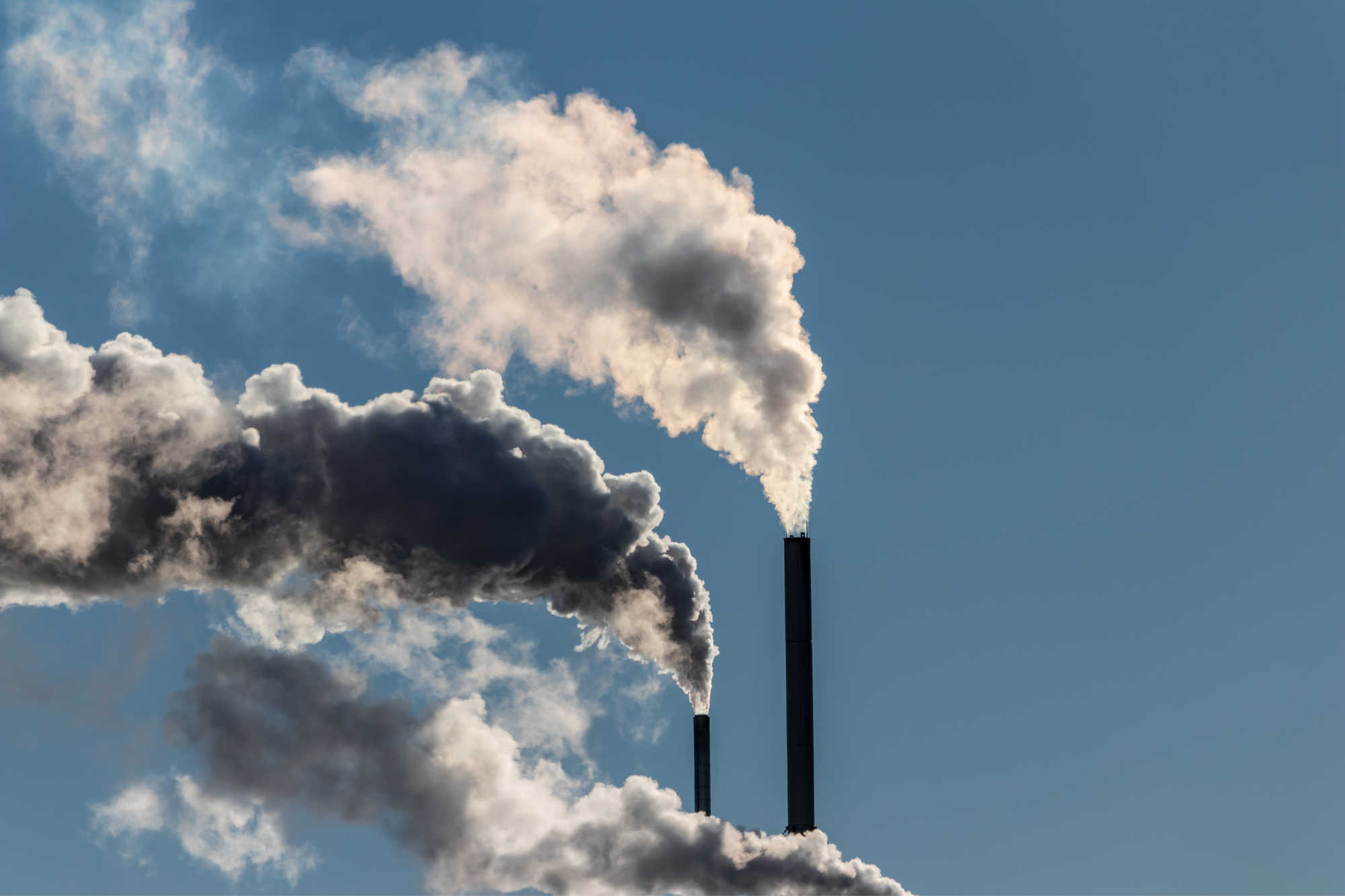
The Trump administration is preparing to dismantle a central pillar of federal climate regulation this week, moving to repeal the Obama-era “endangerment finding” that determined greenhouse gas emissions pose a threat to public health and welfare. According to reports citing Environmental Protection Agency officials, the action would strip away the legal foundation underpinning federal limits on vehicle and power plant emissions, marking what the administration describes as an unprecedented rollback of environmental regulation.

EPA Administrator Lee Zeldin has characterized the planned repeal as potentially “the largest act of deregulation in the history of the United States,” with a final rule expected as early as Wednesday, according to reports.
The endangerment finding, finalized in 2009 under the Clean Air Act, concluded that carbon dioxide and other greenhouse gases endanger human health by driving climate change, including rising global temperatures, more extreme weather events, and deteriorating air quality. That determination has since served as the legal basis for a wide range of federal climate policies, including vehicle fuel economy standards and emissions limits on power plants.
The EPA first proposed repealing the finding in July 2025. Since January 7, 2026, the rule has been under review by the White House Office of Management and Budget, signaling that the process was nearing completion.
If repealed, the finding would immediately invalidate two Biden-era rules designed to reduce tailpipe emissions from cars and trucks. Those rules require automakers to measure, report, and comply with federal greenhouse gas standards, obligations that would be eliminated under the proposed change.
Administration officials argue that repealing the finding is consistent with broader efforts to reduce regulatory burdens on industry. They contend the move could significantly reshape the energy, automotive, and clean technology sectors by easing compliance requirements and lowering costs.
Environmental organizations and Democratic lawmakers have sharply criticized the planned repeal, calling it a rejection of established climate science and warning that it could undermine future administrations’ ability to regulate greenhouse gas emissions. Legal challenges are widely expected, and some experts have suggested that the Supreme Court could ultimately issue a ruling that permanently prevents the adoption of new endangerment findings.
Some scientists whose work has been cited by the administration argue that existing climate policy debates reflect differing interpretations of scientific data on greenhouse gas impacts. A draft Department of Energy report commissioned by the administration was framed by its authors as presenting an alternative view on climate science that “challenge[s] the assumptions” of the 2009 endangerment finding and says climate change “deserves attention” but “is not the greatest threat facing humanity,” arguing that energy access and affordability also matter. Supporters of that report have described it as representing “the best available data and scientific assessments,” and say open and informed debate on the science is necessary. These perspectives differ from the mainstream scientific consensus on climate change and have been part of discussions about regulatory policy.
The repeal builds on other early actions taken during Trump’s second term. Those include executive orders pausing new energy efficiency standards and expanding fossil fuel leasing on federal lands. The administration has stressed economic growth over environmental protections, echoing Trump’s first-term approach, during which more than 100 regulations were rolled back.
Industry groups have largely welcomed the move. Representatives from organizations such as the American Petroleum Institute have pointed to potential cost savings and increased domestic energy production. At the same time, analysts have cautioned that extended legal uncertainty stemming from anticipated lawsuits could disrupt markets.
The decision comes amid growing international pressure for stronger climate action. The United States rejoined the Paris Agreement under the Biden administration but withdrew again in January 2026 under President Trump, a move that has raised concerns among international partners, including the European Union, about the country’s long-term climate commitments.



Advertisements