




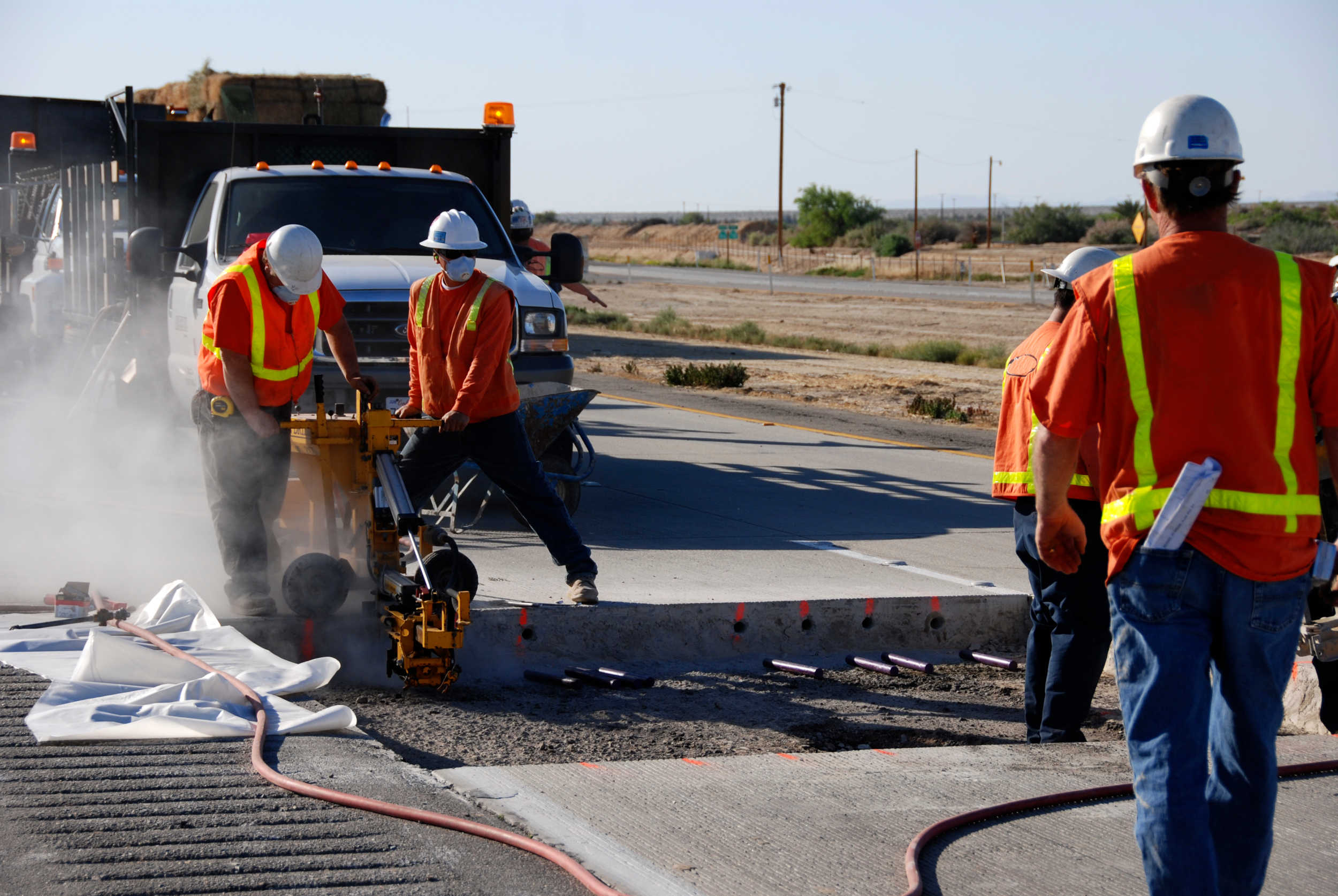
Warren Mosler says the Virgin Islands can fix its long-standing road problems by changing not just how roads are repaired, but how they are built—arguing that using concrete instead of asphalt, though more expensive upfront, could dramatically reduce long-term costs and recurring damage if paired with an existing FEMA funding pathway.

Speaking during a wide-ranging interview with the V.I. Consortium on Wednesday, Mosler described road reconstruction as one area where he believes the territory’s approach has focused too narrowly on short-term savings, resulting in repeated failures that ultimately cost more. He said the solution lies in building certain roads in concrete, which he said costs roughly twice as much initially but lasts about ten times longer.
Mosler framed the proposal as part of a broader strategy to create sustainable infrastructure rather than continuing a cycle of frequent repairs. He said asphalt roads typically break down every few years, particularly under the territory’s climate and usage conditions, while concrete roads can remain serviceable for decades.
In explaining how the higher upfront cost could be managed, Mosler pointed to a FEMA mechanism that, he said, allows jurisdictions to receive increased funding when they can demonstrate long-term savings. He said that instead of repeatedly repaving the same roads every two or three years, the territory could present a case showing that a one-time investment in concrete would eliminate the need for frequent repairs, ultimately saving money over the life of the infrastructure.
He said he had discussed this approach with individuals experienced in disaster recovery and infrastructure work, including someone he described as having been responsible for roads during prior recovery efforts. Mosler said this person showed him how FEMA can approve additional funding when a project demonstrates long-term efficiency rather than short-term cost minimization.
Mosler noted that he is not suggesting every road be rebuilt in concrete, but said targeted use—particularly on heavily traveled or critical routes—could significantly reduce maintenance demands and long-term expenses.
The concrete-road proposal was presented alongside Mosler’s broader critique of how infrastructure projects are planned and executed in the territory. He said the Virgin Islands frequently ends up revisiting the same problems because projects are designed to meet minimum requirements rather than deliver durable solutions.



Advertisements


