



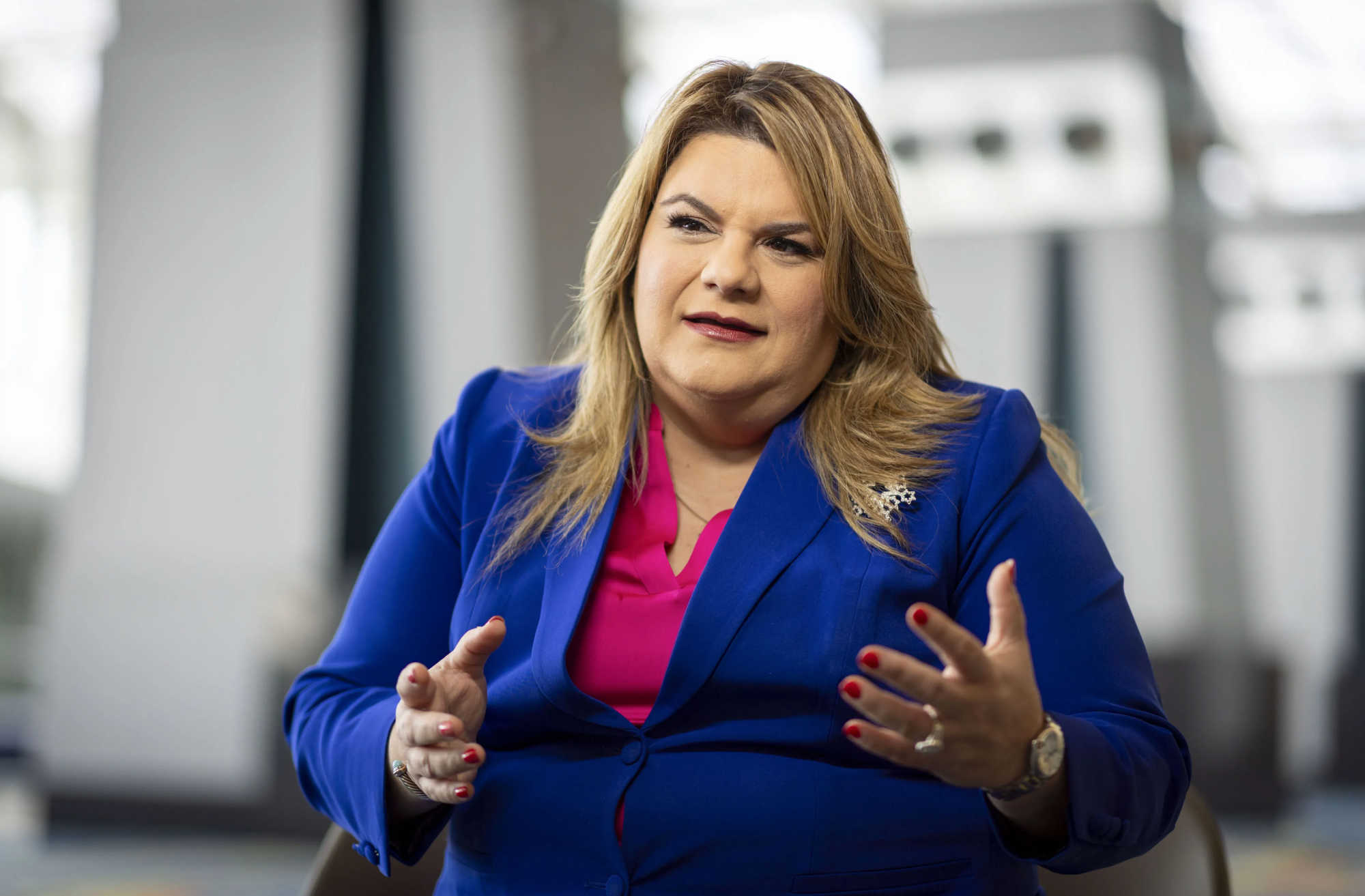
Puerto Rico Governor Jenniffer González.
Puerto Rico’s legal framework governing homicide has been expanded to recognize a fetus as a human being in cases of murder, following the signing of Senate Bill 923 by Governor Jenniffer González on Thursday — a move that has ignited renewed debate over reproductive rights in the U.S. Caribbean territory.

The measure amends Puerto Rico’s Penal Code to broaden the definition of homicide to include the intentional killing of an unborn child at any stage of gestation. The change aligns the statute with existing provisions that treat the death of a fetus during an assault on a pregnant woman as first-degree murder.
Governor González, a Republican and supporter of President Donald Trump, stated that the legislation "aims to maintain consistency between civil and criminal provisions by recognizing the unborn child as a human being."
The signing occurred without public hearings, prompting criticism from legal scholars and medical professionals who argue the law could have broader implications beyond violent crime. Abortion remains legal in Puerto Rico.
The amendment stems from the 2021 murder of Keishla Rodríguez, a pregnant woman whose death sparked calls for stronger legal protections for expectant mothers. Under the revised Penal Code, suspects who knowingly cause the death of a fetus may face enhanced charges, reinforcing the unborn child’s status as a distinct victim.
Supporters view the change as a necessary step to safeguard vulnerable lives and ensure justice in cases involving violence against pregnant women. However, critics warn that the measure could inadvertently influence reproductive healthcare decisions.
Dr. Carlos Díaz Vélez, president of Puerto Rico's College of Physicians and Surgeons, cautioned that the legislation could result in "defensive health care," where doctors might hesitate to treat complicated pregnancies for fear of facing murder charges. He further stated that the amendment introduces complex clinical decisions into criminal law, potentially with "disastrous consequences."
The Penal Code amendment builds upon an earlier measure signed by Governor González in December 2025. Law 183-2025 (Senate Bill 504) revised Puerto Rico’s Civil Code to recognize unborn children as natural persons from conception. That law was praised by pro-life groups as a milestone but similarly drew warnings from critics about its possible implications for reproductive healthcare.
The governor’s office has not outlined immediate implementation steps for Senate Bill 923. Experts say that additional protocols and regulatory guidance will likely be necessary to determine how the revised homicide statute will be applied in practice.
The passage of the bill comes amid a broader national debate over fetal personhood that intensified following the U.S. Supreme Court’s 2022 decision overturning Roe v. Wade, which shifted abortion regulation authority to individual states and territories.

In Puerto Rico — where federal law applies but local public sentiment varies — the new law underscores continuing tensions between criminal justice reform efforts and reproductive rights protections.


Advertisements


